 PocketCards.net
Trading goes live: Pokémon TCG Pocket adds card trading
Friend trades, Trade Stamina, and Trade Tokens, how the new system works
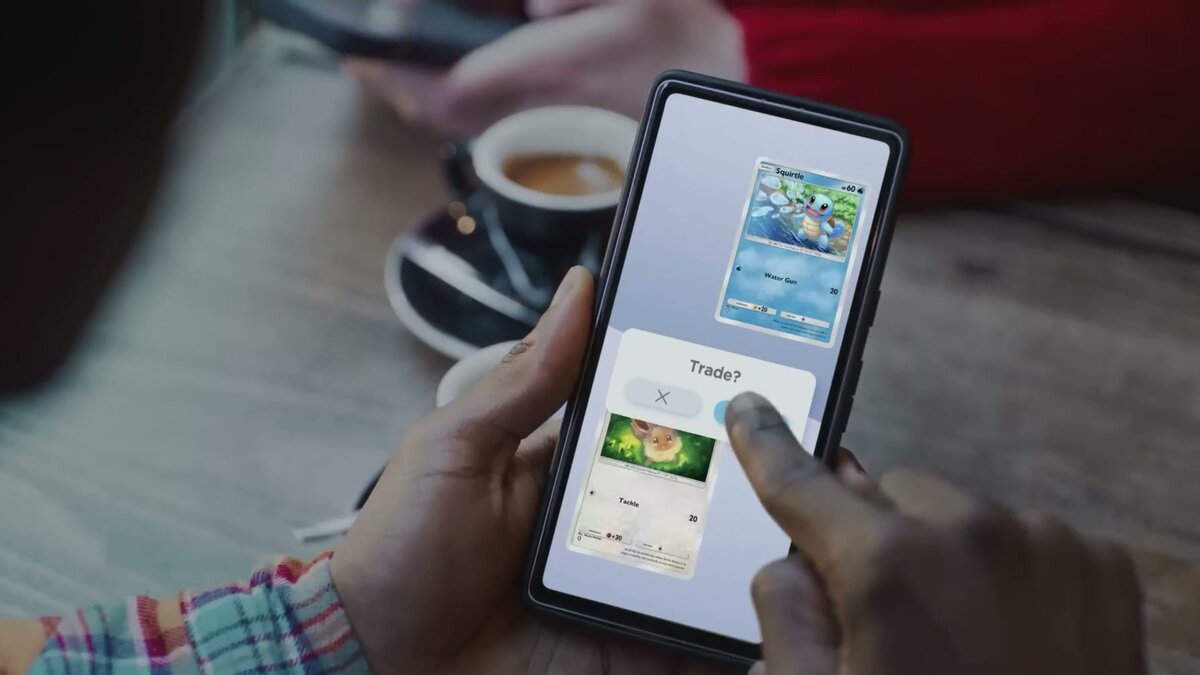
After months of collecting and opening packs, Pokémon TCG Pocket finally gave trainers a way to swap cards with each other. Trading went live on January 29, 2025, alongside the Space-Time Smackdown expansion, but with a twist: trades are friend-only, and they run on Trade Stamina and Trade Tokens, not just goodwill.
The basics: friend-only, same rarity
You can only trade with friends, no open market or random matchmaking. And you can only trade cards of the same rarity for each other. So a ◇3 for a ◇3, a ◇4 (ex) for a ◇4, and a ☆1 (full art) for a ☆1. That keeps trades fair and prevents rare cards from being “downgraded” into bulk.
At launch, tradeable cards were limited to ◇1–◇4 and ☆1 rarity, and only from Genetic Apex and Mythical Island booster packs. The plan was always to expand, and by the first anniversary, trading would include the latest expansions and higher rarities (★★, Shiny 1–Shiny 2).
Trade Stamina: one trade resource per day
Every trade consumes Trade Stamina. You get one piece back every 24 hours, with a maximum of 5. If you want to trade more often, you can refill stamina using Trade Hourglasses or Poké Gold. So trading is built into the daily loop: log in, recover stamina, and decide when to spend it.
Trade Tokens: the cost of high-rarity swaps
Higher-rarity trades also cost Trade Tokens:
- ◇3 cards: 120 tokens
- ◇4 (ex) cards: 500 tokens
- ☆1 (full art) cards: 400 tokens
You earn Trade Tokens from events or by converting duplicate cards. So building a stock of tokens means playing events and managing your dupes, another reason to stay engaged.
Time limit and reception
Trades have a 72-hour window to be completed once proposed. If the other player doesn’t accept (or counter), the offer expires. That keeps the trade flow moving and avoids stale offers.
The system wasn’t without criticism. Some players found the mix of Stamina, Tokens, and rarity rules complex, especially compared to the simple “trade a card for a card” idea many had in mind. But for the developers, the goal was clear: enable trading without letting the economy spiral, and give collectors a structured way to help each other finish sets.
A new era for collectors
Trading didn’t replace the pack-opening loop, it augmented it. Now you could chase a specific card through packs or through a friend who had a duplicate. By the first anniversary, the pool of tradeable cards and rarities had grown, making the feature a core part of the Pokémon TCG Pocket experience.